How to Improve Your Woodworking Skills Through Training
Woodworking is a rewarding hobby and profession that requires a blend of skill, creativity, and knowledge. To enhance your woodworking skills, engaging in structured training programs can provide an effective pathway. This article explores various training options, tools, and techniques to help you become a more proficient woodworker.
Understanding the Importance of Training
Training in woodworking not only refines your skills but also introduces you to new techniques and equipment. According to research conducted by the Woodworkers Guild of America, structured learning environments can significantly enhance skill acquisition and retention. Many users report that tailored workshops often lead to improved outcomes compared to self-directed learning.

"Investing in training can lead to a 20-30% increase in productivity among woodworkers." - Woodworking Expert
Types of Training Programs Available
There are several types of woodworking training programs available to suit varying skill levels and learning preferences:
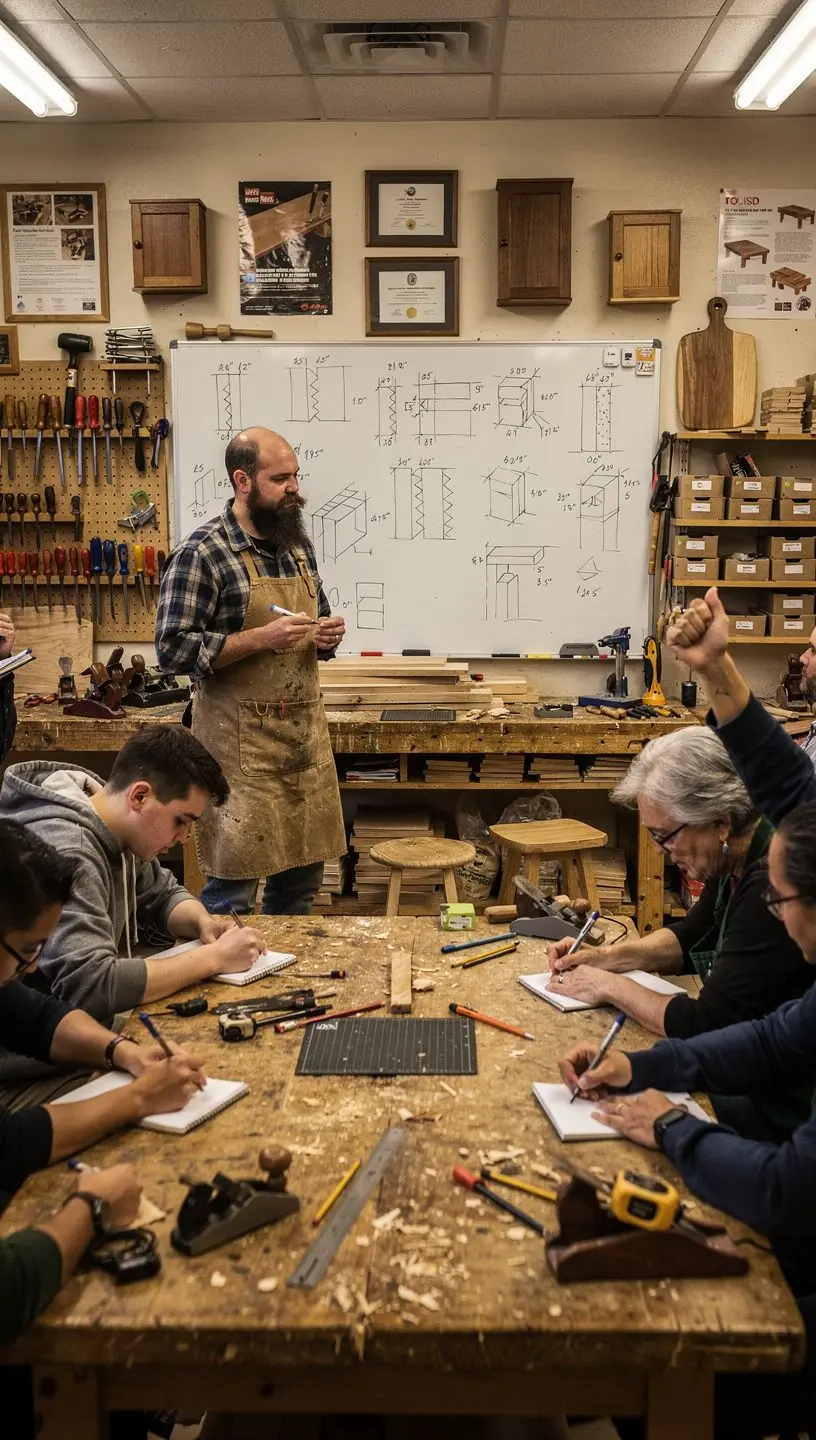
- Workshops: Hands-on workshops provide practical experience under the guidance of skilled instructors. This format often involves working on a specific project, which can enhance learning.
- Online Courses: These can be convenient for those with busy schedules. Many online platforms offer comprehensive courses on various woodworking techniques, though they typically require self-discipline to complete.
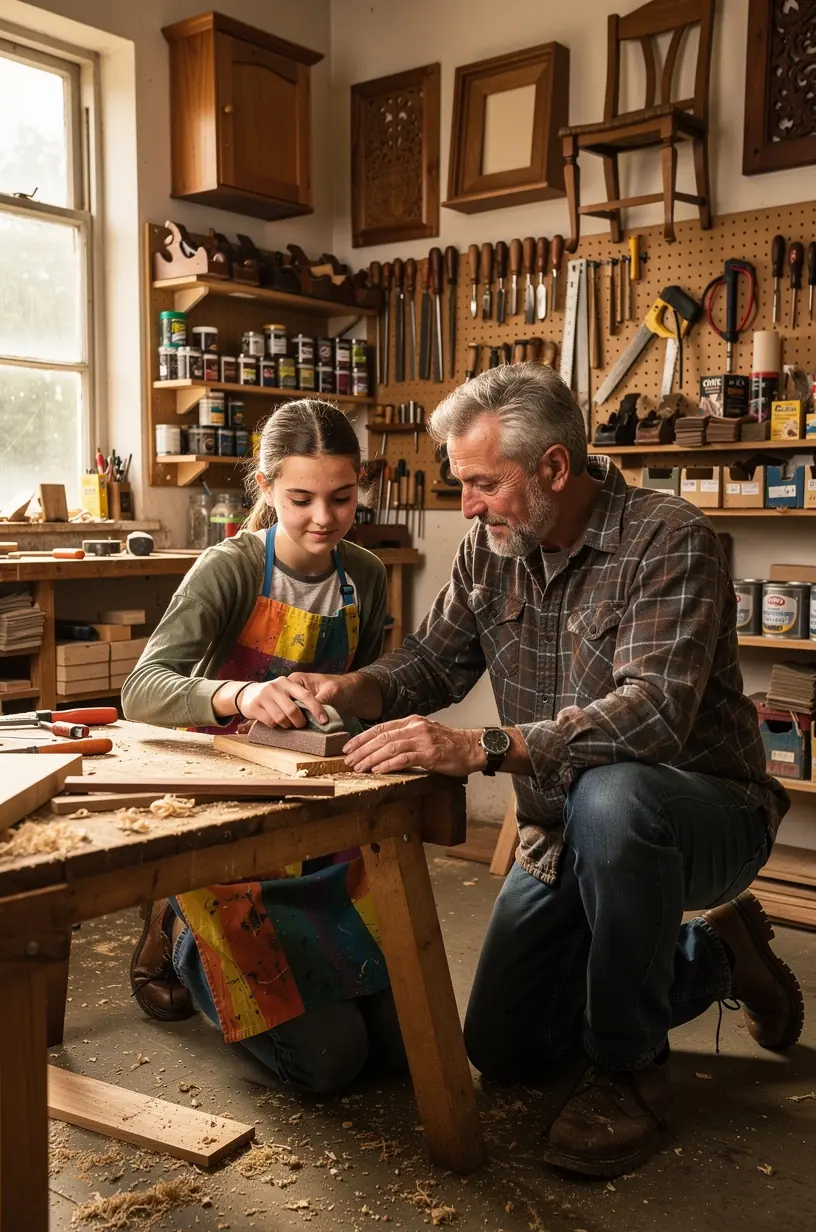
- Mentorship Programs: Pairing with an experienced woodworker can provide invaluable personalized training, allowing for direct feedback and tailored guidance.
Essential Tools and Resources
Having the right tools is crucial for effective learning. Beginners should focus on acquiring basic tools, while more advanced woodworkers may benefit from specialized equipment. Experts recommend starting with:
- A quality set of hand tools for precision work
- Power tools that can enhance efficiency, such as routers and saws
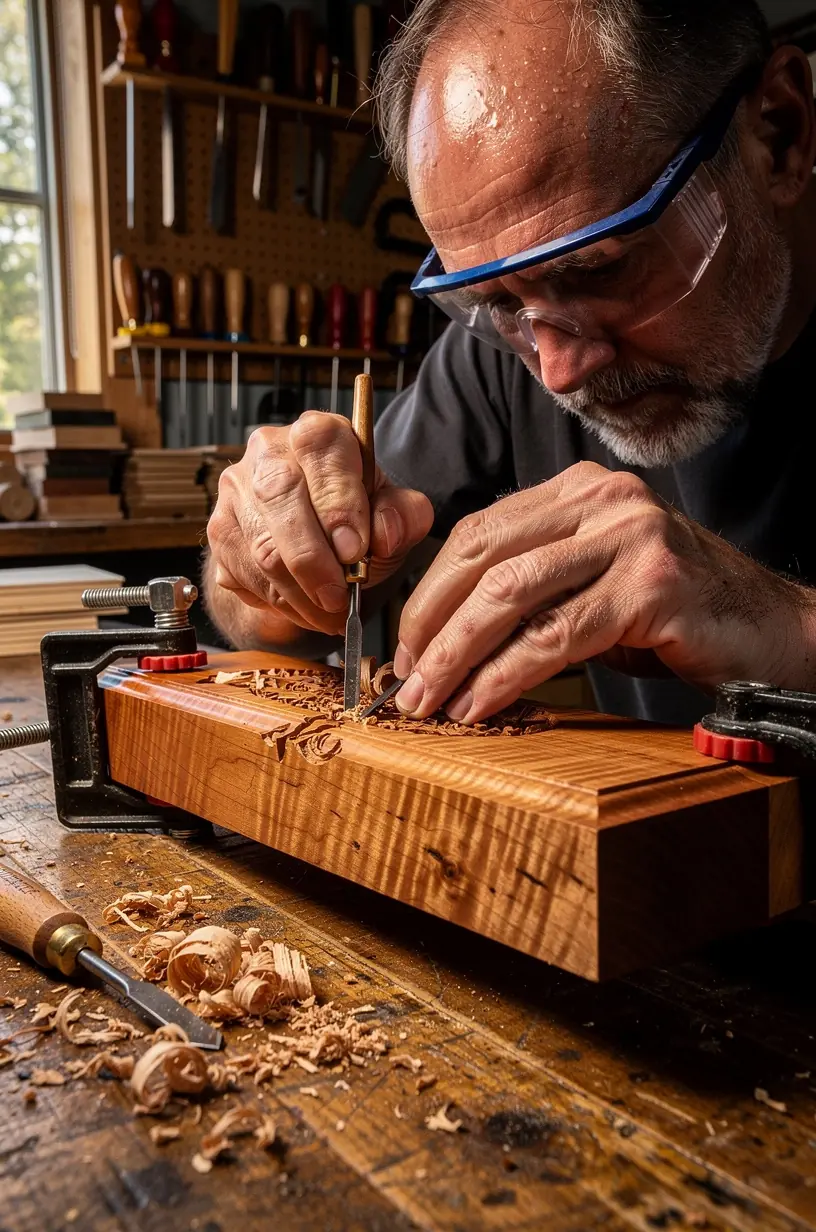
- Safety equipment to ensure a safe working environment, including goggles and ear protection
Practicing Your Skills
After undergoing training, consistent practice is key to improving your woodworking skills. This typically involves dedicating time to work on various projects, testing out new techniques learned during training. It’s important to set realistic goals; many users find that regular practice over several months yields the best results.
Conclusion
Improving your woodworking skills through training is a rewarding journey that can enhance your creativity and craftsmanship. By understanding the importance of structured learning, selecting appropriate training programs, and consistently practicing your skills, you can see significant improvements over time. Remember, the path to mastery requires dedication and time, but with the right approach, you can achieve your woodworking goals.