Practical Techniques for Wood Finishing and Staining
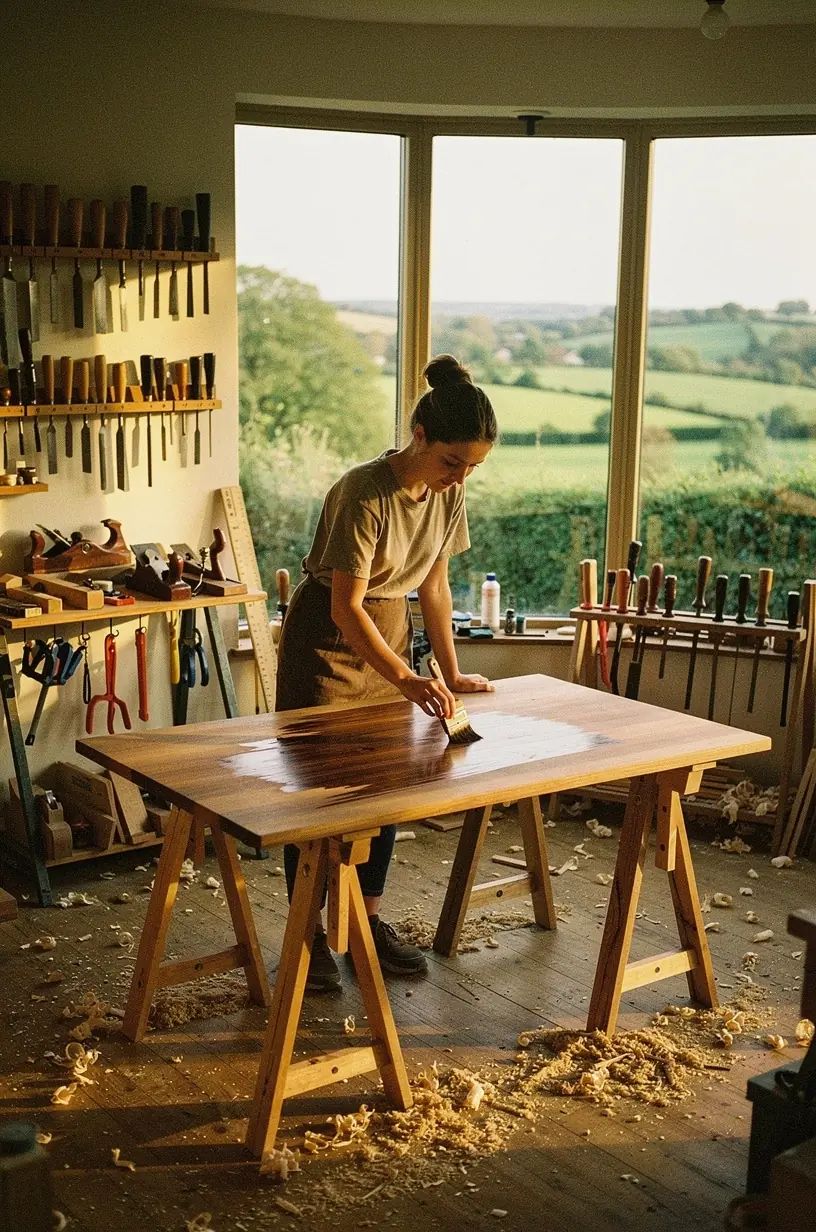
Finishing and staining wood is a crucial part of woodworking that not only enhances aesthetic appeal but also protects wood against environmental factors. This article will explore practical techniques to achieve beautiful finishes, while setting realistic expectations on the time and effort required.
Understanding the Basics of Wood Finishing
Wood finishing is the process of applying a protective layer to the surface of wood. There are various types of finishes available, including varnishes, oils, and lacquers. According to experts in woodworking, each type has its own characteristics and suitability depending on the project. For instance, oil finishes penetrate the wood, enhancing its natural grain, while varnishes create a hard protective layer on the surface.
The choice of finishing technique can significantly impact both the appearance and durability of wood. Research indicates that selecting the appropriate finish based on wood type and intended use can enhance longevity by up to 50% in many cases.
"Choosing the right finish can extend the life of your wood projects and highlight their beauty." – Woodworking Expert
Essential Techniques for Finishing and Staining
Here are some practical techniques that can help you achieve desired results in wood finishing:
- Preparation is Key: Proper preparation typically involves sanding the wood to create a smooth surface. This step usually requires a few hours to a couple of days depending on project size and wood hardness. Sanding helps the finish adhere better and ensures a more even application.
- Test Before You Apply: It is wise to test your finish on a scrap piece of wood before applying it to your project. Many users report that this approach helps identify potential issues and allows adjustments to be made without risking the final piece.
- Layering for Depth: Applying multiple thin layers of stain or finish, allowing proper drying time between applications, can lead to a deeper, more vibrant color. Typically, this process may take several days but results in a more professional look.
Common Mistakes to Avoid
To achieve the best results from your wood finishing efforts, consider avoiding these common pitfalls:
- Skipping Sanding: As mentioned, skipping the sanding process can lead to poor adhesion and unsightly finishes.
- Rushing Drying Time: Each type of finish has a specific drying time. Rushing this process can result in a tacky or uneven surface.
- Ignoring Manufacturer Instructions: Always refer to product guidelines for best practices on application and drying times, as these are based on extensive testing in real-world conditions.
Conclusion
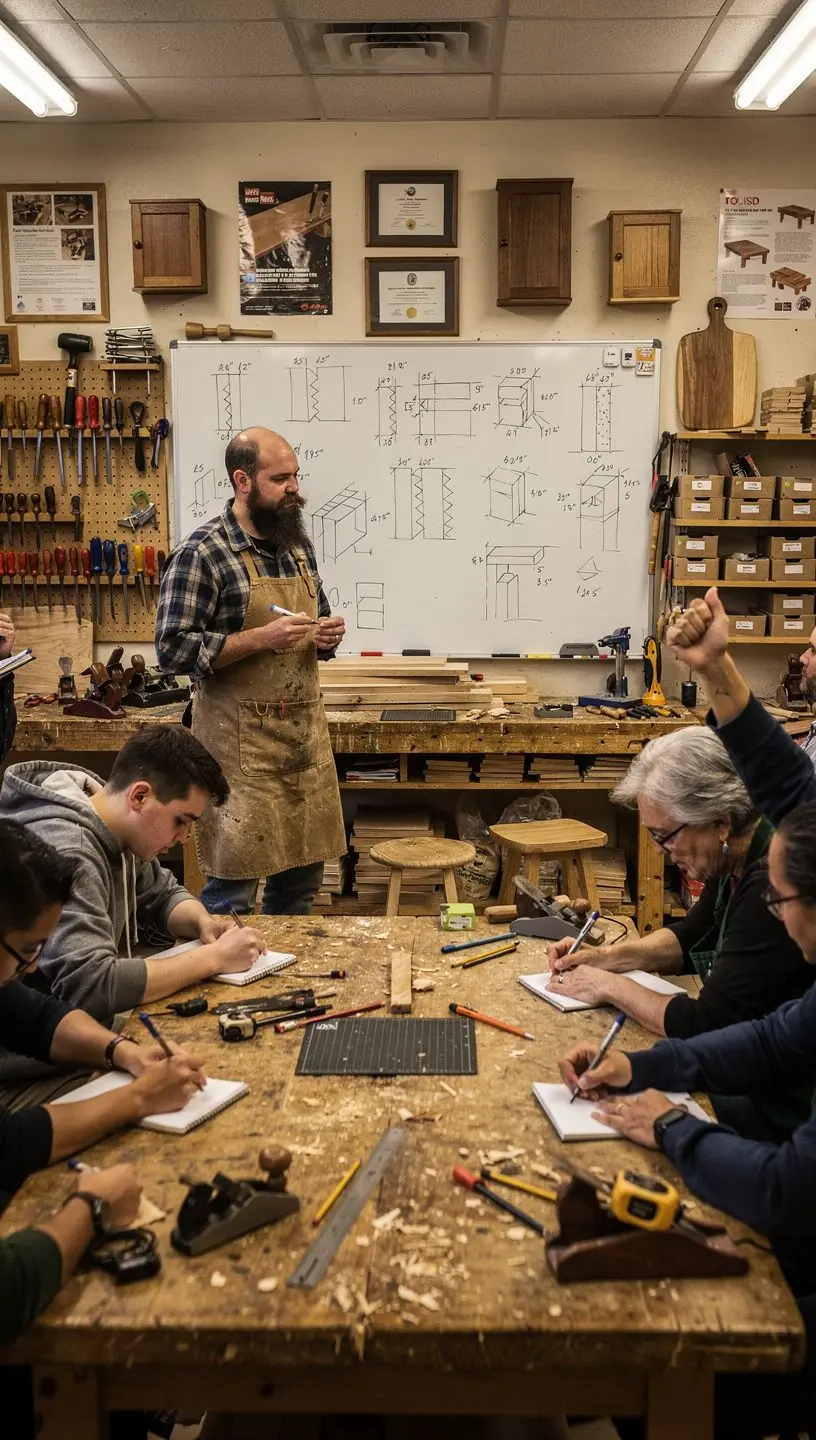
In conclusion, wood finishing and staining are essential skills for woodworkers aiming to enhance their projects. By understanding the basics, employing effective techniques, and avoiding common mistakes, you can achieve impressive results. Remember, patience and practice are vital in this endeavor, and while achieving a perfect finish may not be immediate, the effort you invest will reflect in the quality of your projects. For those eager to improve their skills, consider joining a woodworking workshop where you can gain hands-on experience and expert guidance.
Discover More