Understanding Essential Woodworking Tools for Beginners
Embarking on a woodworking journey can be exciting yet overwhelming for beginners. This guide aims to familiarize you with essential woodworking tools, their applications, and how they can enhance your skills. Understanding the tools at your disposal is a crucial first step in any woodworking venture.
The Importance of Choosing the Right Tools
According to industry experts, selecting the appropriate tools can significantly impact your woodworking experience. Not only do the right tools facilitate smoother processes, but they also enhance safety and precision in projects. Many users report that investing time in understanding their tools leads to more satisfying results.
"The right tools not only improve the quality of your work but also make the learning process much more enjoyable." - Woodworking Specialist
Basic Woodworking Tools Every Beginner Should Know
As you begin your woodworking journey, here are some essential tools that you will find invaluable:
- Hand Saw: A traditional tool often used for making straight cuts in wood. Many experts recommend starting with a hand saw to understand cutting techniques.
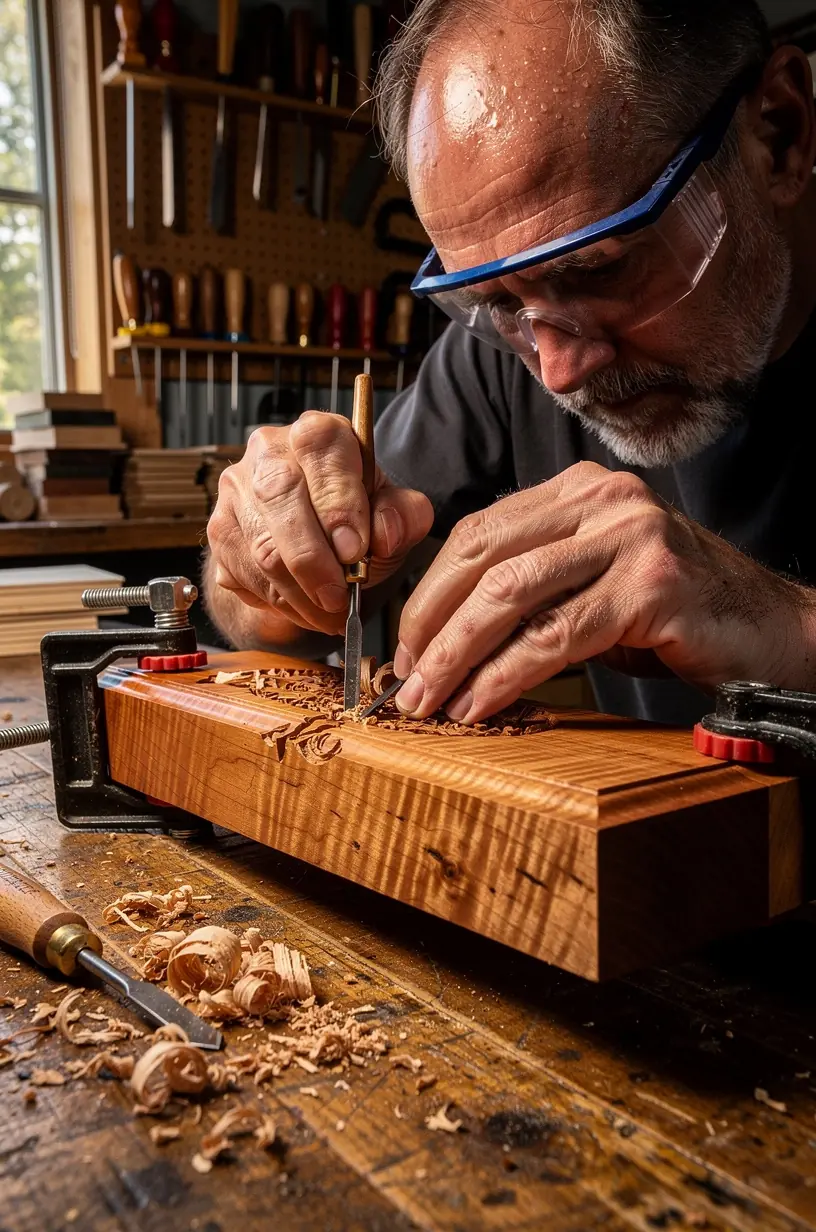
- Chisels: Perfect for detailed work, chisels allow you to carve or shape wood accurately. A basic set of chisels typically includes different sizes for various applications.
- Drill: Used for creating holes or driving screws, drills are crucial for assembly and design modification. Research indicates that beginners often benefit from a cordless drill for flexibility.
- Square: This tool ensures your cuts are precise and angles are correct. Using a square is a standard practice in woodworking to maintain accuracy.
- Sandpaper: Essential for finishing projects, sandpaper smooths wood surfaces. Many users recommend investing in a variety of grits for different stages of the finishing process.
Understanding How to Use Each Tool Effectively
Each tool comes with its own techniques and best practices. Here’s a brief overview of how to use some of these tools effectively:
- Hand Saw: Keep a steady hand and use long, even strokes to achieve clean cuts. Ideally, practice on scrap wood before tackling your main project.
- Chisels: Use a mallet to strike the chisel, maintaining a firm grip for control. It’s best to start with softwoods before progressing to harder varieties.
- Drill: Ensure you use the correct drill bit for your material. Beginners should practice on offcuts to gauge pressure and speed.
Challenges and Limitations
While these tools can significantly enhance your woodworking capabilities, it’s important to acknowledge that mastering them involves a learning curve. Beginners often find that:
- Time commitment is necessary: Typically, developing proficiency with basic tools can take several weeks of regular practice.
- Dedication to learning techniques is required: Videos, workshops, and practice sessions can help solidify your understanding.
- Some tools may not be ideal for all projects: Understanding the limitations of each tool will help you choose wisely for specific tasks.
Conclusion
Starting your woodworking journey with a solid understanding of essential tools is vital for success. As you become familiar with their applications and best practices, you’ll find your skills improving. Remember, patience and practice are key elements in this craft. Embrace the learning process, and you'll discover the joy of creating with your own hands.