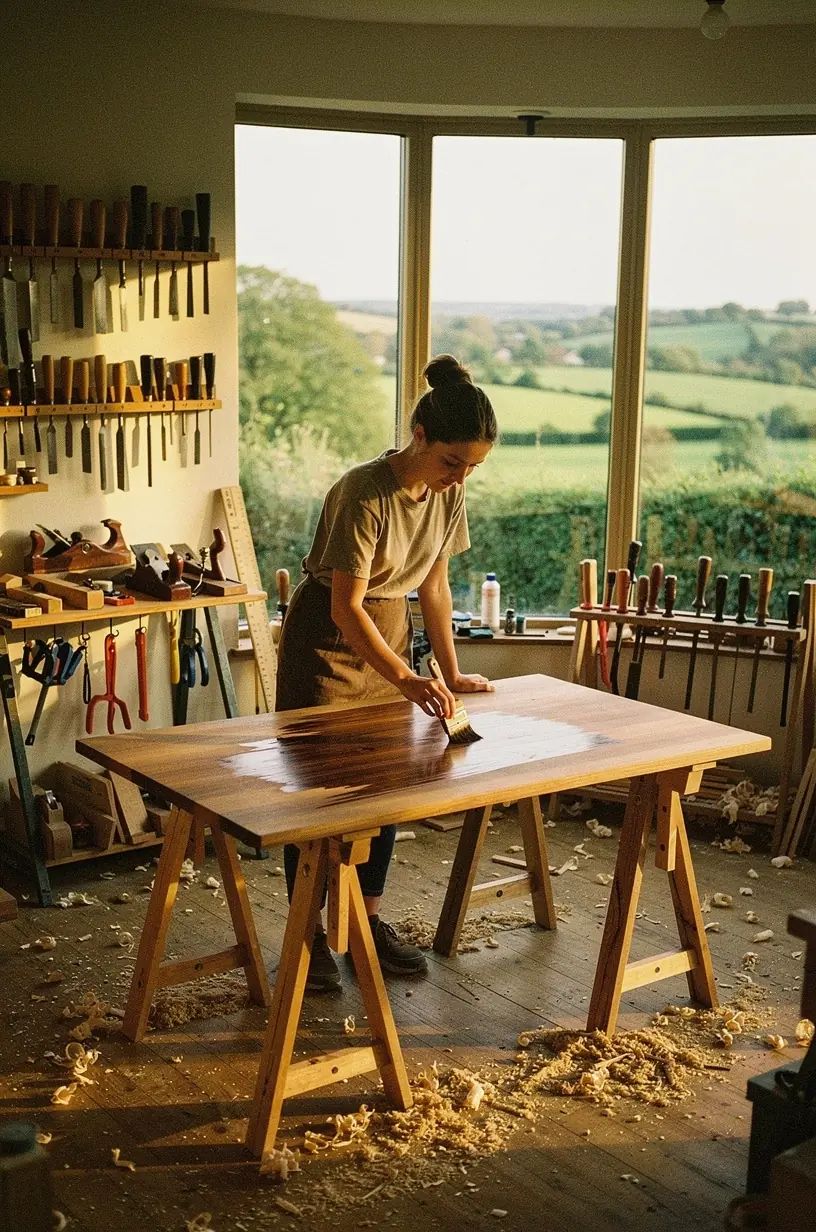
How to Choose the Right Wood for Your Project
Selecting the right wood is crucial for the success of any woodworking project. This decision can significantly impact the durability, appearance, and overall quality of your final product. In this article, we will guide you through the essential factors to consider when choosing wood for your woodworking endeavors.
Understanding Wood Types
Wood is generally categorized into two main types: hardwoods and softwoods. According to industry experts, hardwoods come from deciduous trees and are often denser and more durable, making them suitable for furniture and cabinetry. In contrast, softwoods come from coniferous trees and are typically lighter and easier to work with, making them ideal for structural components.

"Choosing the right type of wood can enhance the longevity and aesthetic of your project." – Woodworking Expert
Factors to Consider When Choosing Wood
- Project Purpose: The intended use of your project is a primary factor. For example, furniture that will see heavy use often benefits from the strength of hardwoods, while decorative items may be better suited to softer woods.
- Grain and Color: The visual appeal of wood plays a crucial role in any project. Different species exhibit varied grain patterns and colors. Research shows that selecting a wood that complements your design can elevate the final outcome.
- Workability: Some woods are easier to cut, shape, and finish than others. Many users report that softer woods like pine or cedar are more forgiving for beginners, while hardwoods like oak or maple can require more tools and skill due to their density.
- Environmental Considerations: Sustainable sourcing is increasingly important. Experts recommend looking for woods that are certified by organizations like the Forest Stewardship Council (FSC) to ensure you’re making environmentally responsible choices.
Evaluating Wood Quality
When assessing wood, consider the following aspects:
- Moisture Content: Wood with high moisture content can warp or crack. It's advisable to check for kiln-dried options, as these typically have a moisture level around 6-8%, which is optimal for most projects.
- Defects: Look for knots, splits, or warping. While some defects can be incorporated into design, significant flaws may compromise the integrity of the project.
- Source: Understanding where the wood comes from can influence both quality and ethical considerations. Research and choose suppliers known for high-quality products.
Conclusion
Choosing the right wood for your woodworking project is a nuanced decision that involves considering the type of wood, its qualities, and the specifics of your project. By evaluating factors such as purpose, visual appeal, workability, and quality, you can make informed choices that enhance the durability and aesthetic of your work. Remember, investing time in selecting the right materials can significantly improve your project's success.