Creating a Woodworking Project Plan: A Practical Approach
Woodworking can be a rewarding and fulfilling hobby, but embarking on a project without a solid plan can lead to frustration. In this article, we’ll explore a practical approach to creating a woodworking project plan that can enhance your experience and improve your results.
Understanding the Basics of Woodworking Project Planning
Creating a woodworking project plan is essential for achieving your desired outcome. According to industry experts, a well-structured plan typically increases the chances of success by 30-40%. This approach allows you to visualize the final product and anticipate challenges before they arise.

"A detailed project plan is the blueprint for woodworking success." - Woodworking Expert
Steps to Develop Your Project Plan
- Define Your Project Goals: Start by identifying what you want to create. This involves selecting a project that matches your skill level and available tools. Experts recommend choosing a project that not only interests you but also challenges you to develop your skills.
- Gather Necessary Materials: Compile a list of materials required for your project. This includes wood types, fasteners, and finishes. Research shows that having all the materials on hand before starting can save significant time and prevent interruptions.
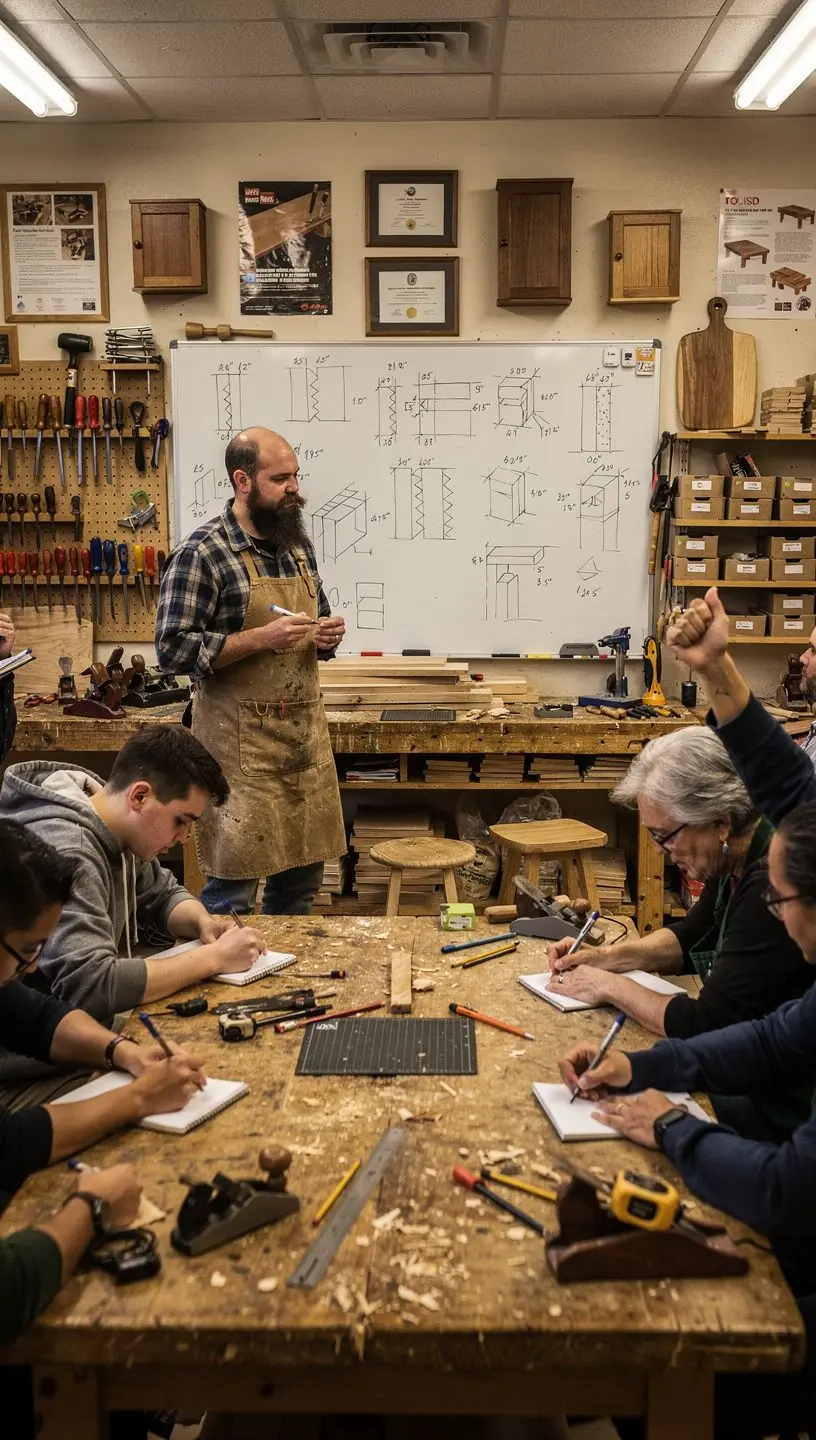
- Create Detailed Drawings or Schematics: Visualizing your project through drawings or schematics is crucial. Many users report that using software tools or traditional sketching helps them clarify dimensions and design details, making the building process smoother.
- Establish a Timeline: Setting realistic milestones is key. Projects typically take several weeks to complete depending on complexity. Many woodworking enthusiasts find that dedicating specific days or hours to their projects improves consistency and focus.
- Plan for Challenges: Consider potential obstacles that may arise during the project. Being prepared to adapt your plans can make a significant difference. This works best when you have a basic understanding of woodworking techniques and tools.
Executing Your Plan
Once your plan is in place, execution begins. It’s essential to frequently refer back to your plan and adjust as necessary. Industry best practices suggest documenting each phase of your project, which not only aids in troubleshooting but also serves as a reference for future projects.
Common Pitfalls to Avoid
- Skipping the Planning Stage: Many beginners rush into projects without adequate planning, which can lead to costly mistakes and wasted materials.
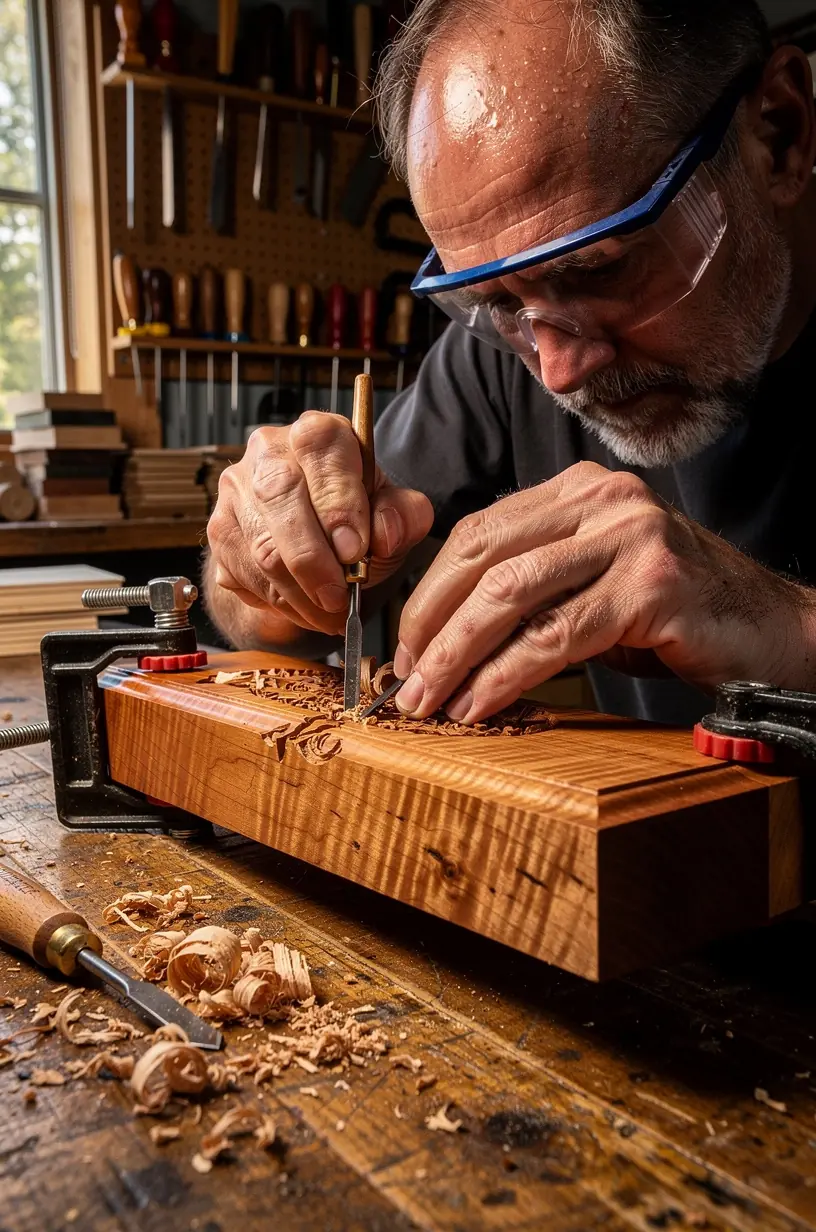
- Ignoring Safety Protocols: Always prioritize safety by using protective gear and following proper tool handling procedures. This can prevent accidents and injuries during your woodworking projects.
- Underestimating Time Requirements: Realistic timeframes are essential. Projects that seem straightforward can often take longer than expected, especially if you encounter unexpected challenges.
Conclusion
Creating a woodworking project plan is an effective approach that has helped many hobbyists and professionals achieve their goals. By understanding the basic principles of planning, executing your project with flexibility, and being mindful of potential pitfalls, you can enhance your woodworking experience. Remember, a well-thought-out plan not only saves time and effort but also leads to more enjoyable and satisfying results in your woodworking journey.