Exploring Different Joinery Methods in Woodworking
Joinery is a fundamental aspect of woodworking that not only enhances the aesthetics of a project but also significantly contributes to its structural integrity. In this article, we will explore various joinery methods, their applications, and best practices, providing insights into how these techniques can be effectively utilized in your woodworking projects.
Understanding the Basics of Joinery
Joinery refers to the techniques used to connect pieces of wood. According to industry experts, effective joinery is crucial for ensuring durability and stability in wooden structures. The choice of joinery can depend on various factors, including the type of wood, the intended use of the project, and the desired aesthetic outcome.
"The right joinery can make a significant difference in the longevity and appearance of your woodworking projects." - Woodworking Association
Common Joinery Methods
- Butt Joint: One of the simplest forms of joinery, the butt joint involves joining two pieces of wood at their ends. While typically easy to create, it often requires reinforcement with nails or screws due to its limited strength.
- Mortise and Tenon: This traditional method involves creating a cavity (mortise) in one piece of wood and a corresponding tongue (tenon) on another. Research indicates that this method provides a strong and durable connection, making it suitable for furniture and frames.
- Dovetail Joint: Often used in drawer construction, the dovetail joint is known for its interlocking design, which provides excellent tensile strength. Many woodworkers report that this method, while time-consuming, is worth the effort for its visual appeal and robustness.
- Lap Joint: Involves overlapping two pieces of wood and securing them together. This method can be quite effective in situations where the pieces are under strain, typically seen in frames and structures.
Choosing the Right Method for Your Project
When selecting a joinery method, consider the following:
- Project Type: Certain joinery techniques may be better suited to particular projects. For instance, mortise and tenon joints are often preferred for furniture, while butt joints might suffice for simpler constructions.
- Material Consideration: Different woods behave differently when joined. Hardwoods may require more precise cuts, whereas softwoods might allow for simpler joinery.
- Skill Level: Some joinery methods, like dovetails, may have a steeper learning curve. It's essential to assess your skill level and invest time in practice to achieve the best results.
Tools and Training for Mastering Joinery
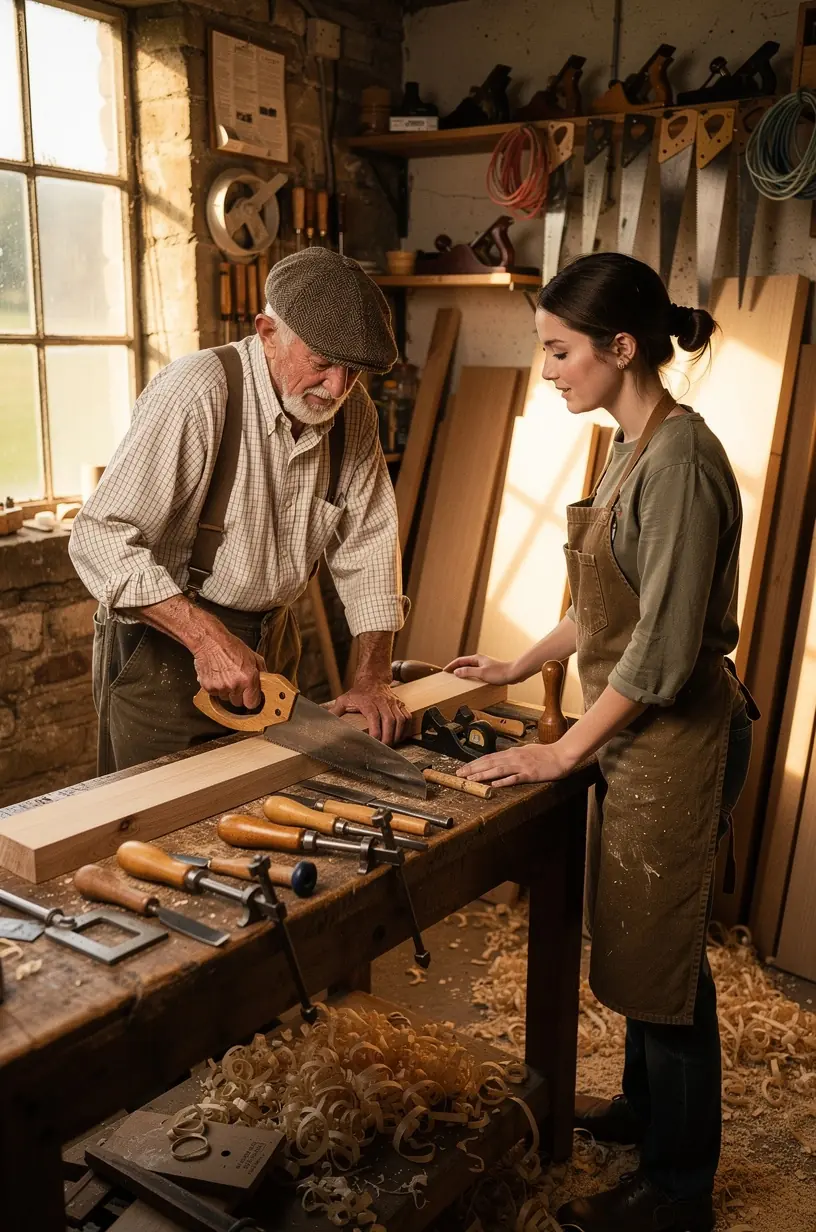
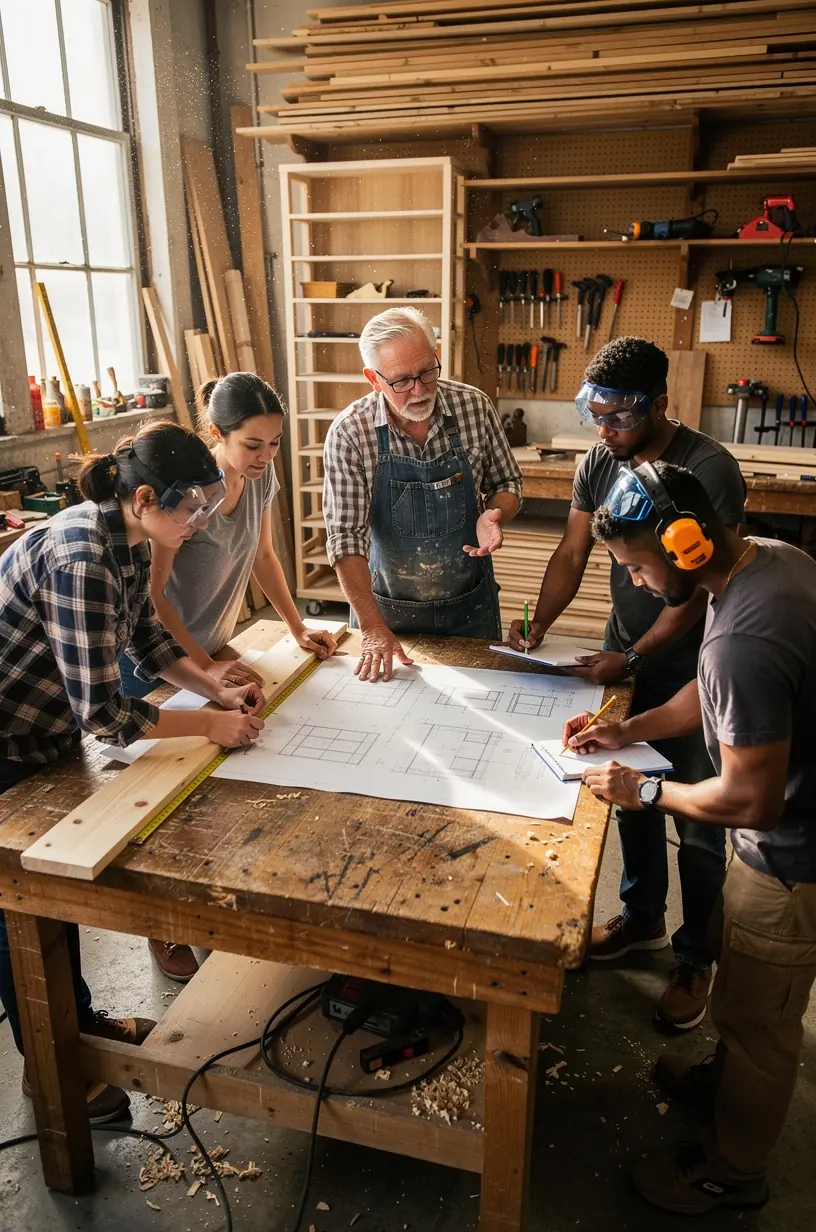
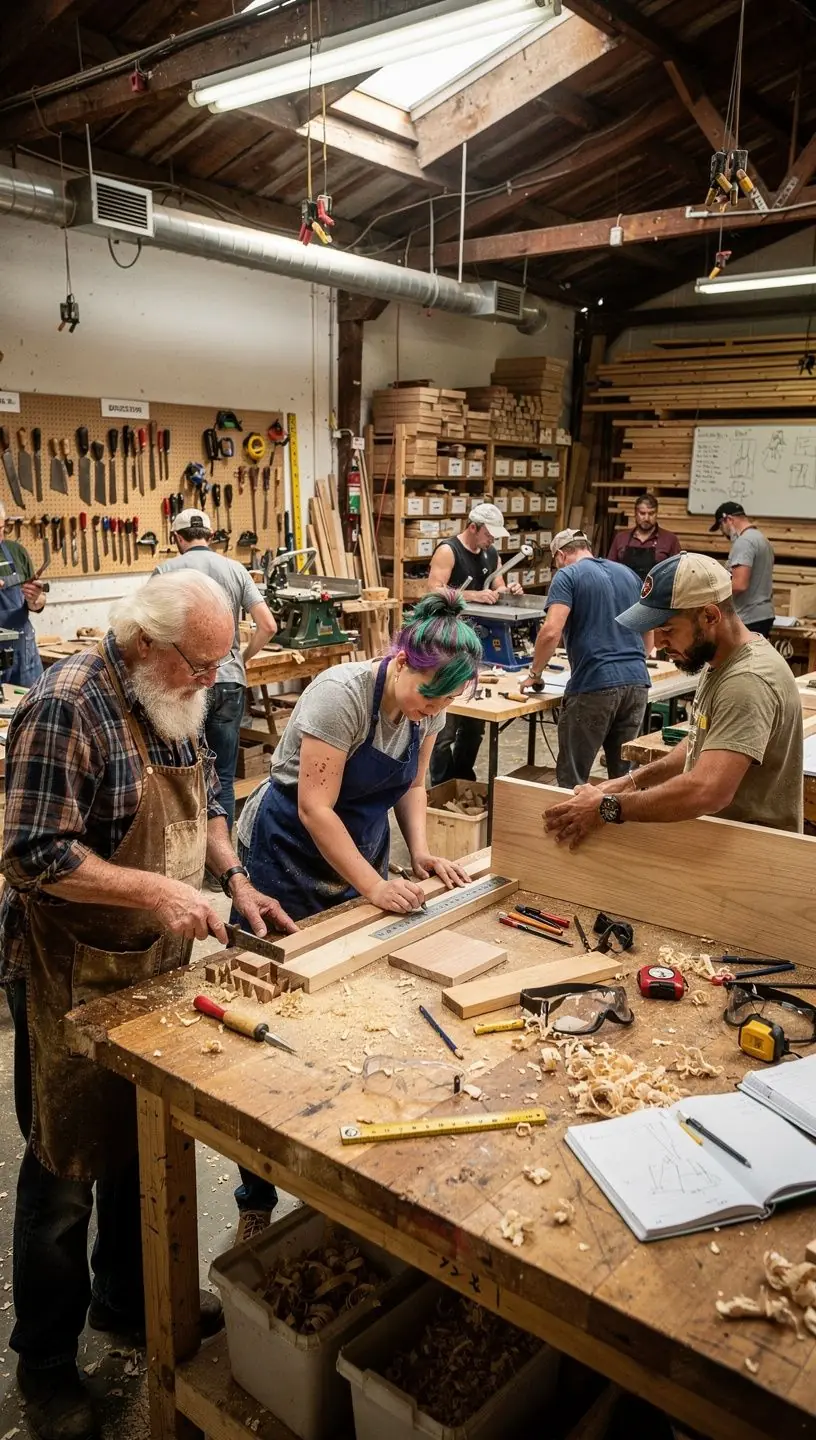
To effectively execute various joinery methods, specific tools are often required. Typical tools include chisels, saws, clamps, and routers. Many woodworking workshops, such as those offered by Veldozolne, provide training programs that focus on these essential skills. Participating in hands-on workshops can significantly enhance your understanding and execution of complex joinery techniques.
However, mastering these techniques requires dedication and practice. Many users report that regular engagement with woodworking projects can lead to improved skills over time, often observing noticeable progress within a few months.
Conclusion
Exploring different joinery methods is an essential part of woodworking that can elevate your projects' structural integrity and aesthetic appeal. By understanding the various techniques available, as well as their applications and limitations, you can make informed decisions that suit your specific needs. Remember that practice, coupled with quality training, can help you develop the skills necessary to execute these joinery methods effectively.
Discover More